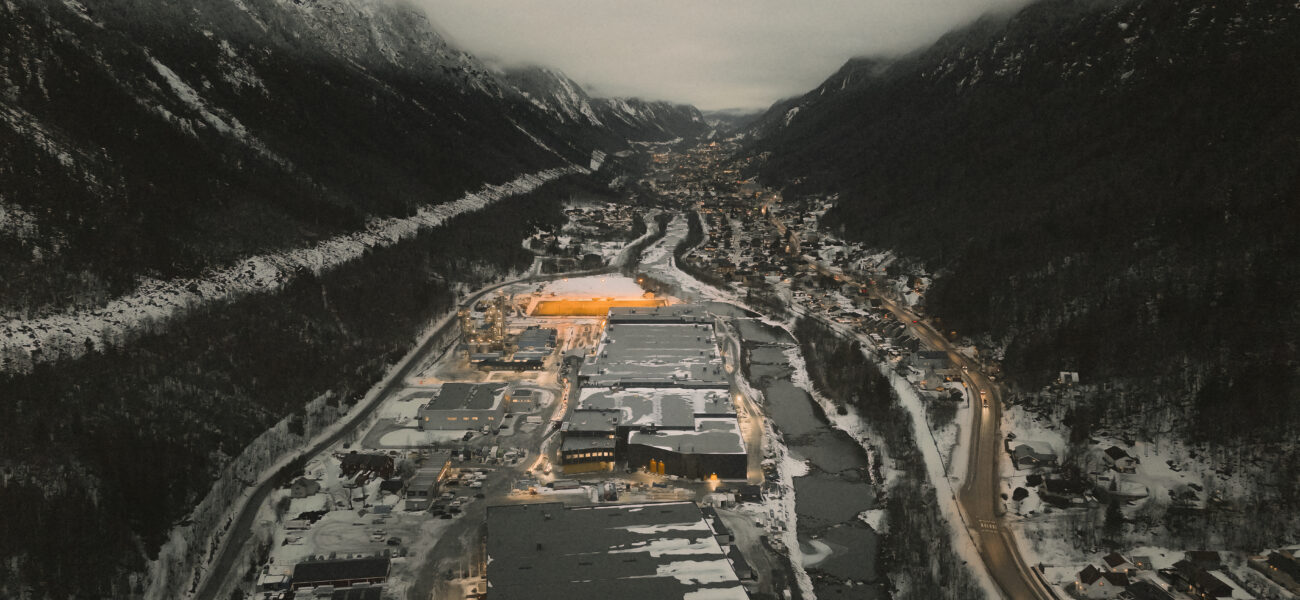
In an industrial area in Rjukan, two cornerstone companies are located just 800 meters apart. One is a data center. The other is the world’s largest land-based aquaculture facility for trout production. Now, Green Mountain and Hima Seafood have entered a cross-sector collaboration that enables excess heat from data center operations to support the fish production next door.
The partnership connects two industries that at first glance have little in common. In practice, however, both depend on stable operations, long-term planning, and efficient use of resources. By sharing infrastructure and energy flows, the companies are now strengthening both their environmental performance and operational resilience.
A collaboration years in the making
Green Mountain has operated in Rjukan since 2014 and has long expored how excess heat from data center operations could be put to productive use. When Hima Seafood began developing its land-based aquaculture facility in the same industrial area, the opportunity for collaboration naturally emerged.
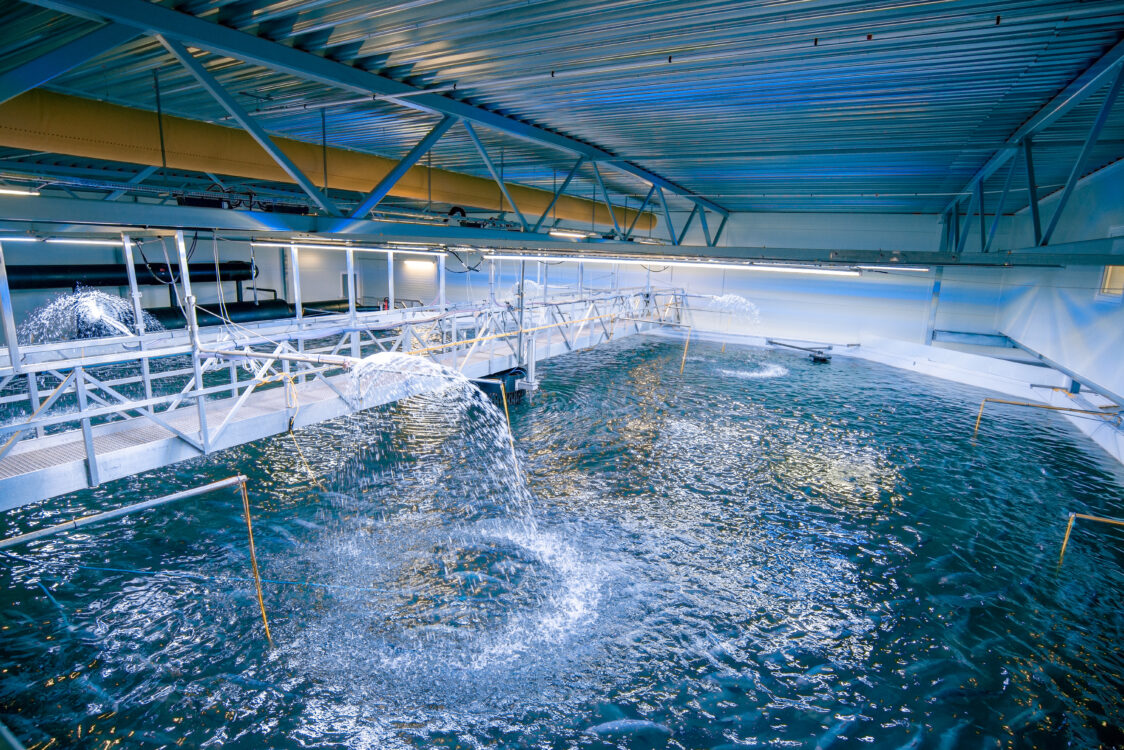
Although Hima Seafood’s facility entered operation less than a year ago, the plans for cooperation between the two companies have been in place for a long time. Infrastructure was prepared early in the project, including underground pipelines installed across the industrial site to connect the two facilities.
Today, warm water from Green Mountain’s cooling processes is sent directly to Hima Seafood. The heat supports more stable and energy-efficient water temperatures in fish production, reducing the need for additional electricity consumption.

– We are utilizing each other’s byproducts in a way that strengthens both businesses, says Torkild Follaug, Sustainability Director at Green Mountain.
How the system works in practice
The project is designed as a closed-loop energy system. Excess heat generated in the data center is transferred via water pipes to Hima Seafood, where it supports water temperature stability in the production tanks. After the heat has been utilized, chilled water is returned to the data center and used in cooling processes.
– With heat reuse, the same energy can be used twice. First to create value in our business, and then again to create value in Hima’s. This improves overall energy utilization and reduces the need for additional electricity consumption, Follaug explains.
A win-win for sustainability and operations
For Hima Seafood, access to stable and low-carbon heat delivers both environmental and commercial benefits.
– Waste heat is only waste heat if it goes to waste, says Annar Bøhn, CEO of Hima Seafood. – By using excess heat from Green Mountain, we reduce our energy consumption, improve our environmental footprint, and strengthen the robustness of our operations at the same time. This is a true win-win, says Bøhn.

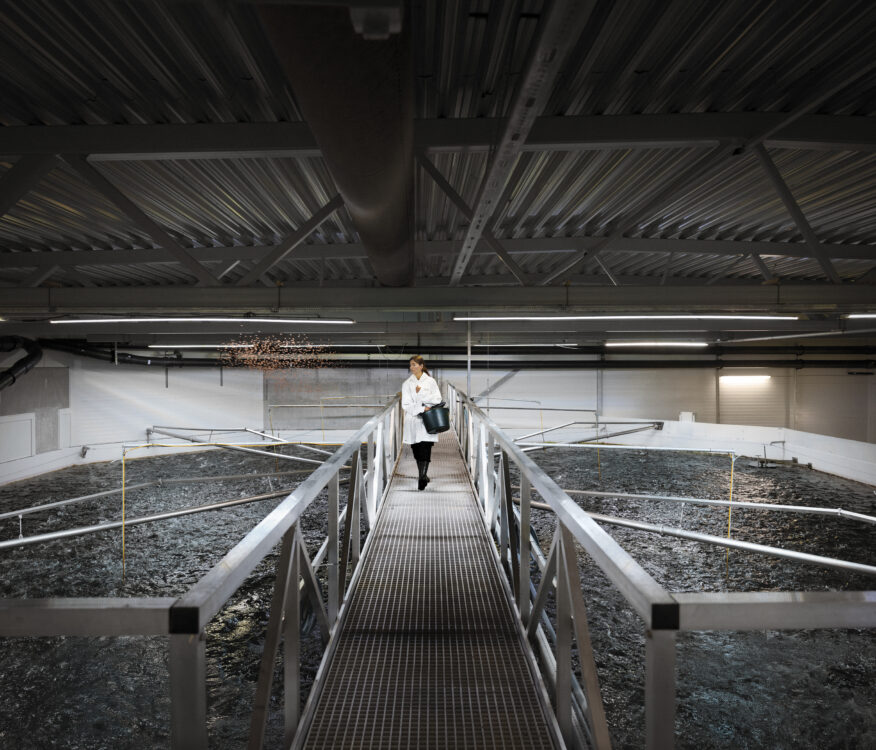
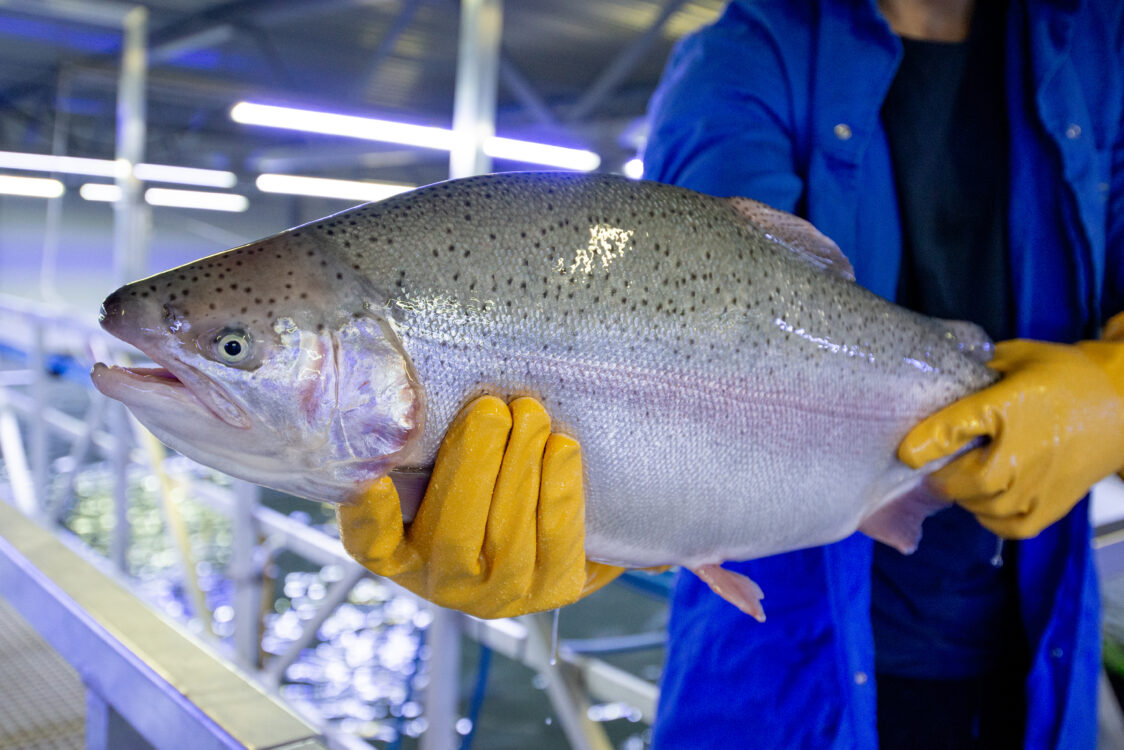
Hima Seafood was established three years ago and is currently in a growth phase. The Rjukan facility employs 55 full-time-equivalents and is scaling towards a production target of 8000 tonnes of trout per year. Construction was completed last summer, and the facility is now in its first full year of operation. Fish have been on the market since August.

– Everything was already in place for this collaboration, both technically and culturally. It was an easy partnership to enter, Bøhn says. – It also influences how we think about future Hima facilities. This can become a model for how we build going forward, continues Bøhn.
Building the future of industry in Rjukan
Rjukan has a strong industrial heritage, and the collaboration between Green Mountain and Hima Seafood represents a continuation of that legacy. It shows how existing industrial areas can play an important role in developing new, sustainable solutions.
Both companies are also part of Sirkulære Rjukan, a regional initiative that connects businesses through shared resources and circular solutions, strengthening Rjukan’s position as a hub for sustainable industrial development.
The project demonstrates how data centres can contribute actively to sustainable industrial development, not only as consumers of energy but as partners in local energy ecosystems.
– We hope our experience can inspire similar collaborations across sectors, both in Norway and internationally, says Follaug.
Read full press release here.