








Hydropower with a minimal carbon footprint
The single biggest environmental impact of a data center is its energy use. Many traditional data centers around the world run on fossil fuels, which is very harmful. Since the beginning, Green Mountain has powered the daily operation of all our data centers with 100% renewable hydropower. (Secured by certificates of origin.)
In Norway, 98,9 % of electricity is generated from renewable sources, with the majority from hydropower. This means we are uniquely positioned to operate our data centers on clean, renewable power. Hydropower has both a minimal carbon footprint and a marginal ecological impact. Unlike other parts of the world, where hydropower plants can disrupt ecosystems, Norway has the optimal natural conditions to support sustainable hydropower plants. You can read more about power here.
Significant CO2 savings with renewable power
If you compare Norway’s electricity mix to other European countries, there is a huge potential for CO2 savings by moving your data workload to Norway. We have developed a CO2 calculator based on data from electricitymap.org to calculate the numbers. You can test it for yourself here.
Proper data center waste management
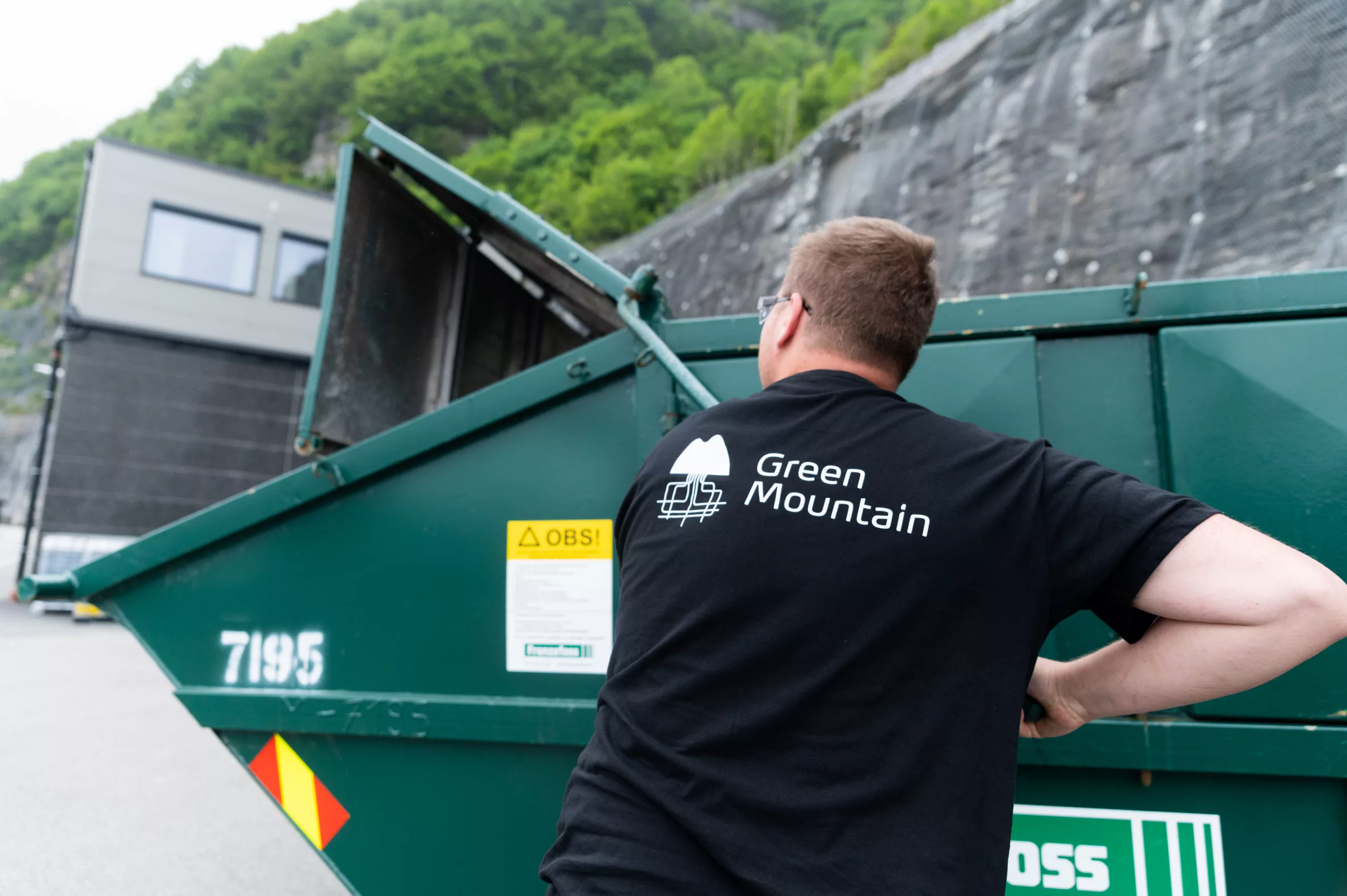
Sustainable data center waste management is a central part of a broader circular economy. At Green Mountain’s sites, we sort and recycle the waste with a target sorting rate of >80%. We sort our waste by the following categories: wood, residual waste, metal, plastics, cardboard/paper, glass, electronics, organic, chemicals, and hazardous waste. Waste bins and containers are placed at each site and clearly marked. “Reduce, reuse, recycle” is the attitude among our employees. We don’t send the remaining materials to the landfill; instead, we send them to incineration facilities for district heating. Read more about our objectives and targets for waste management in our recent Sustainability Report.
Turning waste heat into real value
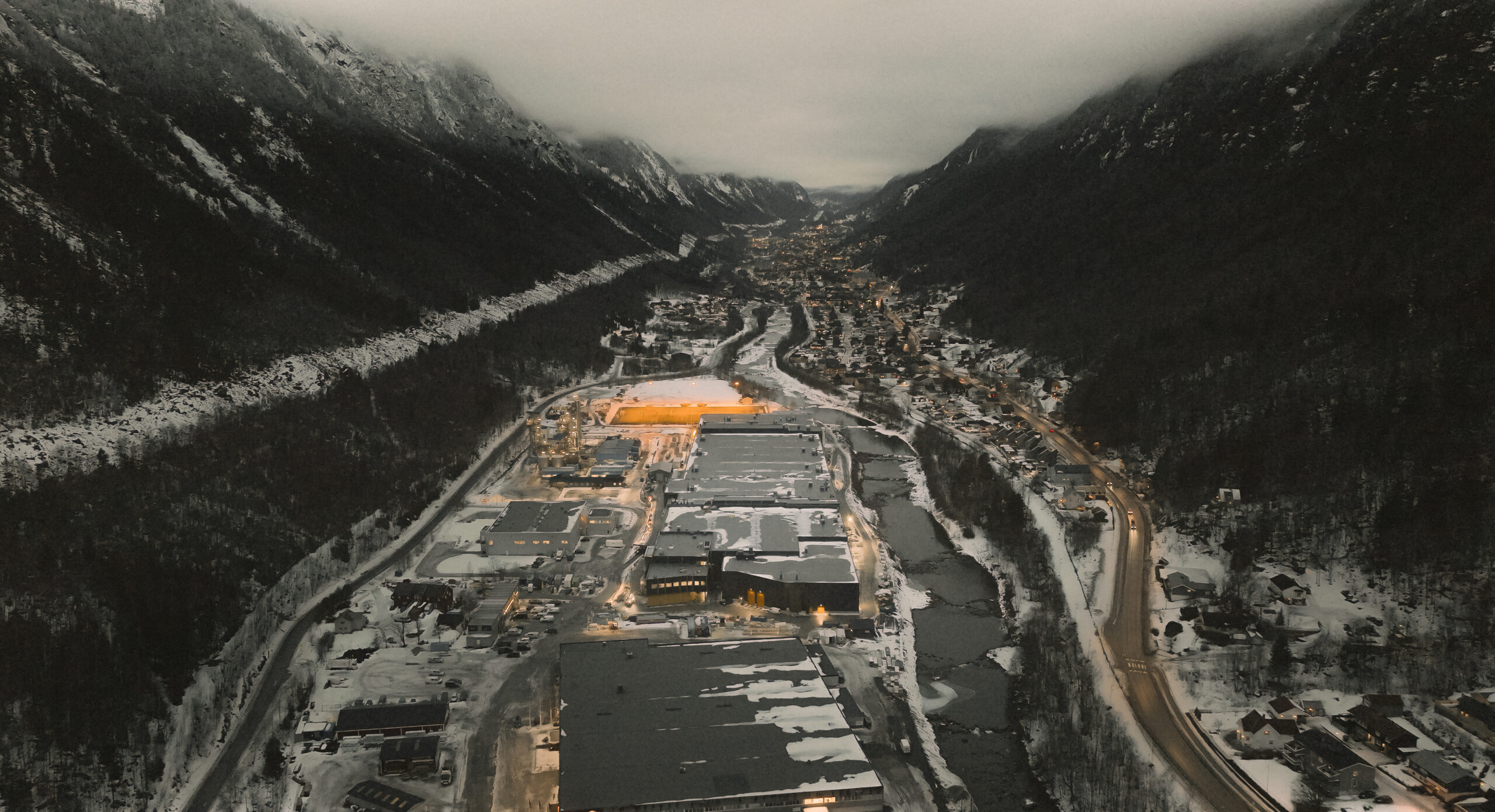
Our data centers already run on 100 percent renewable hydropower, but our responsibility does not end there. The heat that leaves our facilities also has value. When we reuse that energy in local industries, we strengthen sustainability, support new jobs, and help build more resilient communities. You can read more about our heat reuse projects here.