Green Mountain has published its 2025 sustainability report. The report marks an important step forward in how the company approaches sustainability and in how it measures and reports its progress.
For the first time, the report is aligned with the EU’s Corporate Sustainability Reporting Directive (CRSD) and the European Sustainability Reporting Standards (ESRS).
A new step in sustainability reporting
Sustainability reporting is becoming more detailed and more important across Europe. With the 2025 report, Green Mountain has taken a new step towards more structured and transparent reporting. Although ESRS is not yet a legal requirement for Green Mountain, the report has been prepared in line with the framework to support greater consistency and clarity in the company’s sustainability reporting.
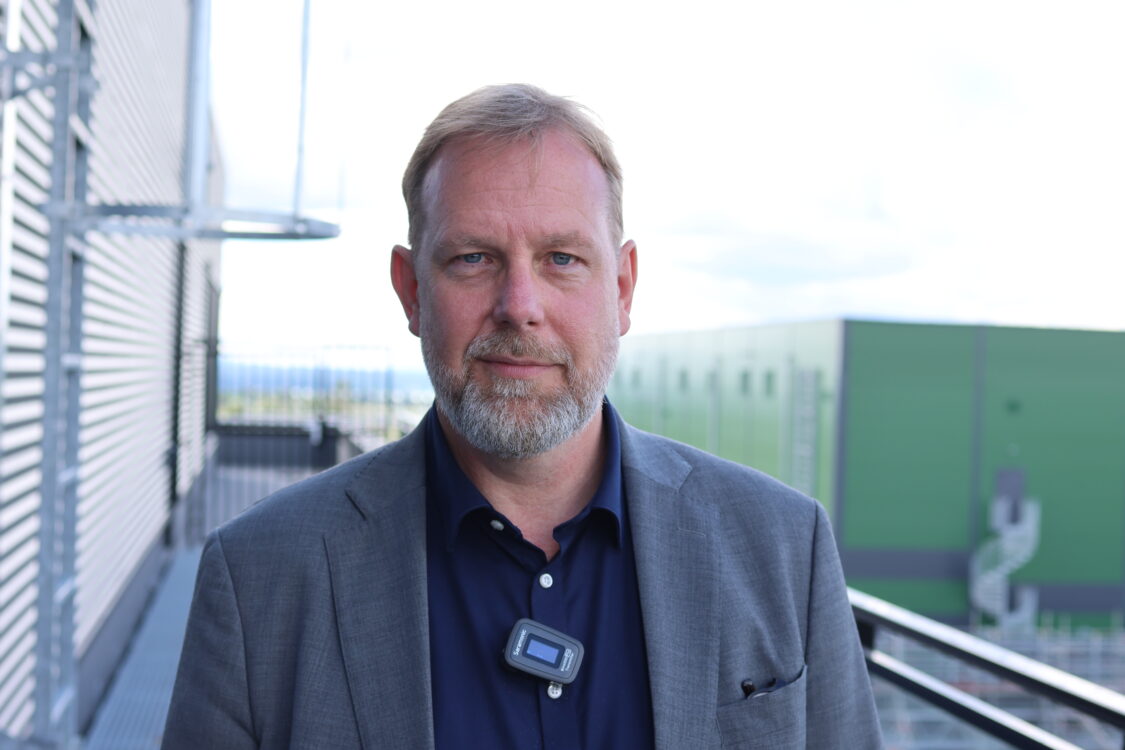
– With the transition to CSRD and ESRS, we take an important step in that direction, bringing greater clarity, consistency, and accountability to how we measure and report our performance, says Torkild Follaug, Sustainability Director at Green Mountain.
Progress across key areas
The report reflects continued progress across several important areas. Green Mountain’s Norwegian operation continues to run on renewable electricity, while work on energy efficiency, resource use, and operational improvement has developed further throughout the year. The report also highlights progress in water efficiency.
At the same time, the report shows that sustainability is not only about climate and resource efficiency. It also covers people, competence, and the company’s ability to build a strong and resilient organization over time. In 2025, Green Mountain continued to strengthen onboarding of new employees, support early development, and invest in learning and capability building across the company.
From ambition to implementation
One of the areas highlighted in the report is heat reuse. Green Mountain’s Sustainability Report states that in 2025, heat reuse moved from ambition to implementation.
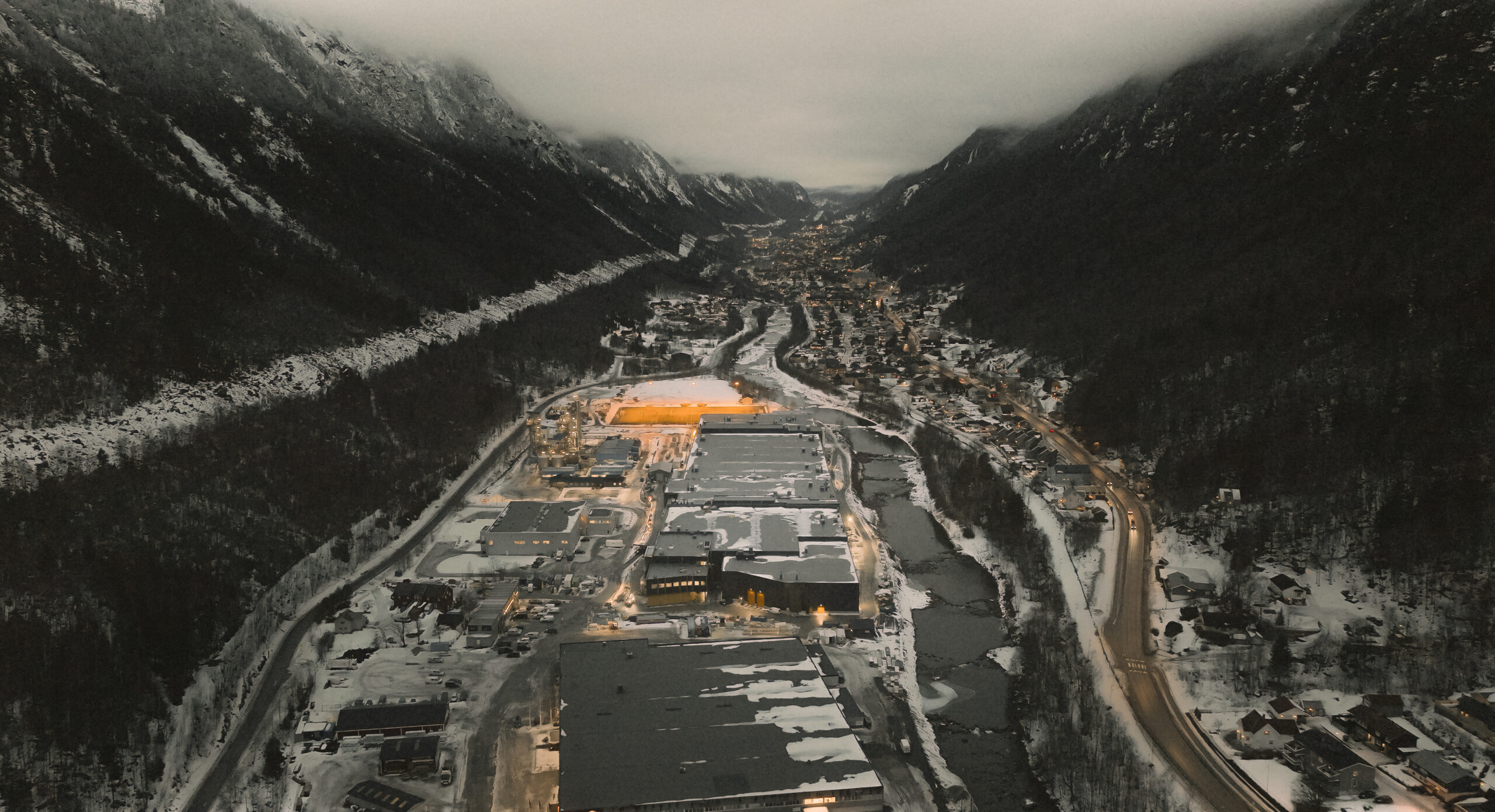
A good example is the official opening of the Hima Seafood project in Rjukan. In this project, excess heat from Green Mountain’s data center supports stable and energy-efficient water temperatures in land-based trout production. The system then returns chilled water to the data center, where Green Mountain integrates it into the cooling process.
Turning waste heat into value
Read more about the Hima Project here– We are utilizing each other’s byproducts in a way that strengthens both businesses, says Follaug.
A tool for better decisions
The report also helps Green Mountain build a better foundation for future decisions, understand where the company is performing well, and identify where it needs to improve.
– What matters most is that this report helps us make better decisions. It gives us a stronger understanding of where we stand today and a clearer direction for where we need to go next, says Follaug.