For decades, data center development followed a fairly predictable path. Secure the site, obtain planning permission, agree customer requirements, and then design and build. While every project carried its own challenges, developers generally had a clearer view of what their customers needed and how to deliver it.
The growth of AI infrastructure is changing that approach. Developers now need to anticipate the needs of Hyperscalers and AI companies years before a facility becomes operational, while retaining the flexibility to respond as those needs evolve.
Development speed is still critical. But delivering capacity quickly is only valuable if that capacity can support the technology customers intend to deploy.
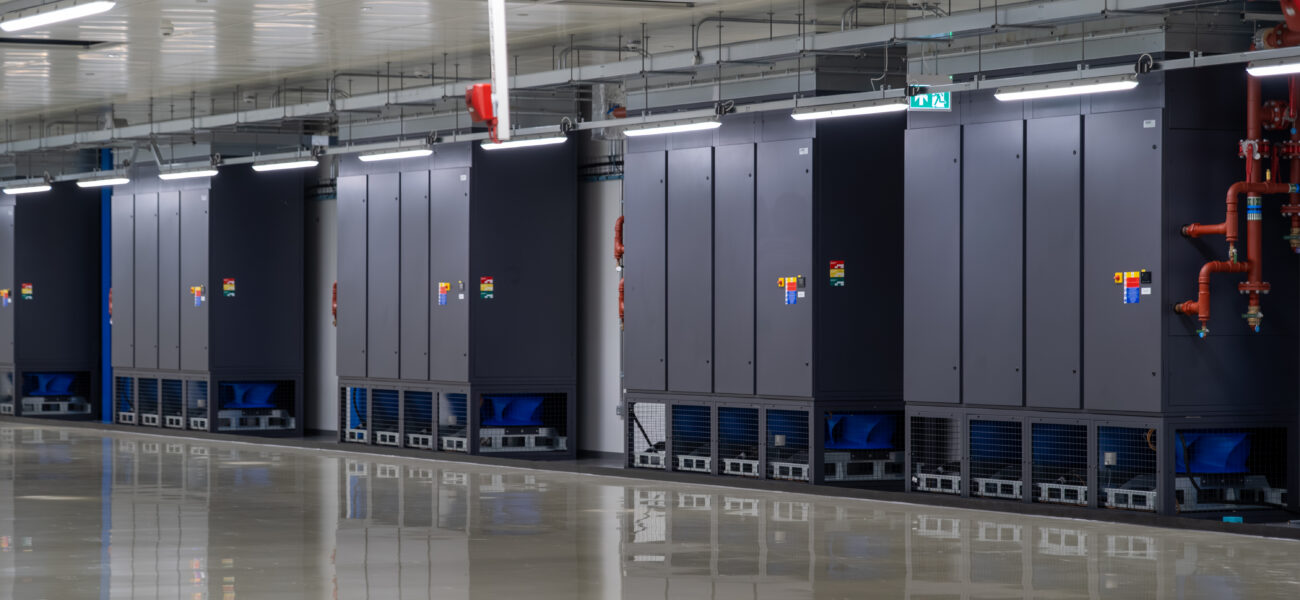
Power densities are rising, cooling requirements are evolving and AI workloads are influencing both the scale and design of new developments. CBRE’s research highlights the adoption of liquid cooling and higher rack densities as operators respond to growing AI demand. CBRE, Global Data Center Trends 2025.
For developers, this means looking beyond an individual customer’s current specification. It requires an understanding of technology roadmaps, deployment patterns and the infrastructure that future generations of compute may need.
A clear understanding of what AI companies and Hyperscalers will need is central to the development process. Those conversations need to begin early enough to influence site selection, power strategy, cooling design and the ability to expand.
There is no single specification that will suit every customer. Different workloads bring different priorities, and developers need to understand which requirements they can confidently anticipate and which should remain adaptable.
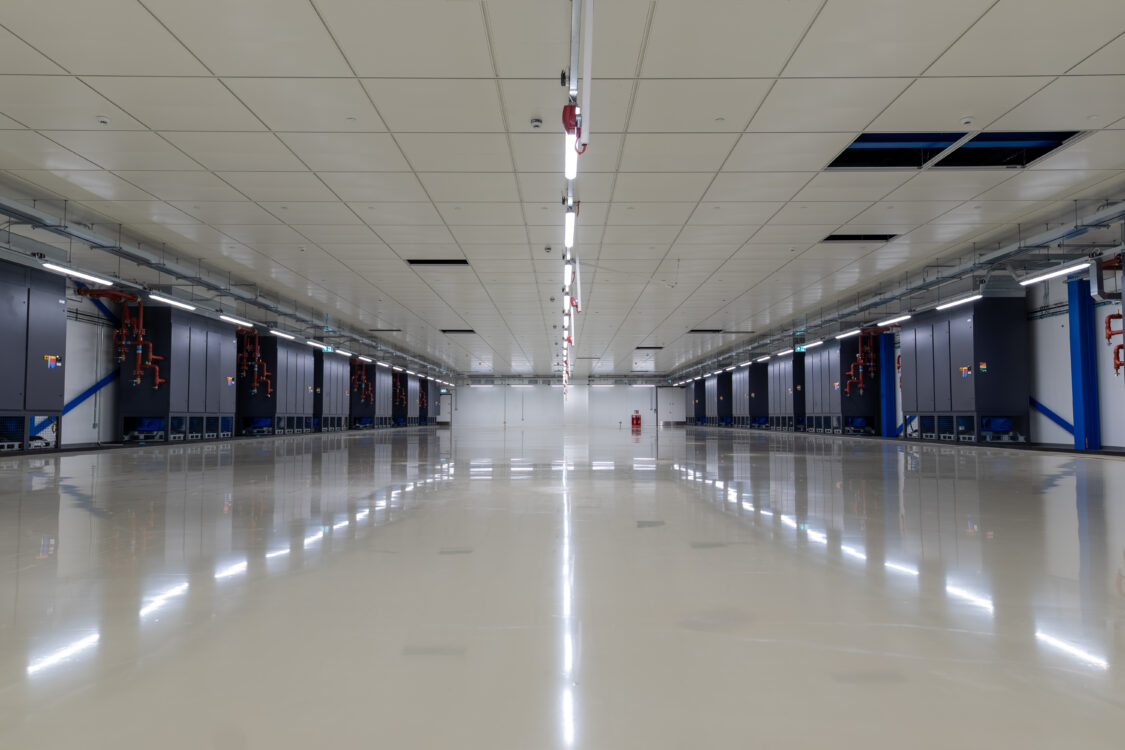
The challenge is to design facilities that can accommodate change without requiring fundamental reconstruction. Decisions about electrical capacity, cooling infrastructure, building layout and phased expansion need to consider how a customer’s deployment could evolve over the life of the facility.
Power, cooling and IT requirements also need to be considered together. McKinsey identifies this coordinated approach to design as increasingly important as compute requirements grow. McKinsey, Beyond compute: Infrastructure that powers and cools AI data centers.
Anticipating demand also starts well before detailed design.
Developers need to land-bank suitable sites in locations where future demand is likely to emerge. That means securing land, or rights to acquire it, with a credible route to power, connectivity, planning and future expansion.
A portfolio of well-positioned sites gives developers options when customers need to move quickly. Its value depends on how effectively those sites can be turned into operational capacity.
In some cases, meeting customer timelines will also require developers to build parts of a data center at risk, before a signed customer commitment is in place. This could mean progressing enabling works, constructing the shell or delivering shared infrastructure ahead of the final fit-out.
The key decision is how far to advance. Developers need to balance readiness with flexibility, bringing forward the elements that shorten delivery times while preserving scope to accommodate customer requirements.
A strong supply chain is equally important.
Design ambition means little if the equipment, expertise and construction resources needed to deliver it are unavailable when required. Developers need established relationships with equipment manufacturers, contractors and specialist partners, supported by early procurement planning and a clear understanding of delivery schedules.
Partners should contribute to the design process as well as its execution. Their knowledge can help developers assess emerging technologies, identify practical constraints and ensure that facilities can be built, commissioned and operated as intended.
Success depends on bringing these capabilities together: customer insight, suitable sites, adaptable design, selective construction ahead of commitments and a supply chain capable of delivering at pace.
The developers who help shape the next generation of digital infrastructure will be those who can translate an informed view of future demand into facilities that are ready when customers need them.